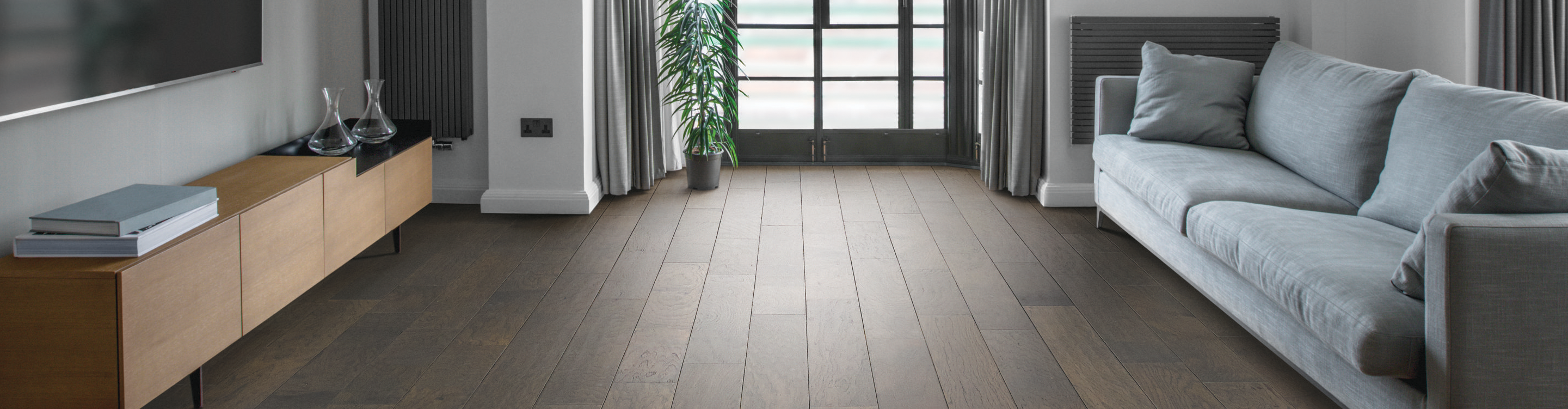
Species is one of the most important decisions in a hardwood flooring project. It determines how the floor looks, how hard it is underfoot, how well it resists scratches and dents, and how it ages over time. Here is what to know before you choose.
Choosing the right hardwood flooring can transform your home's ambiance, but navigating the vast array of wood species can be daunting. This guide is for homeowners, interior designers, and renovation professionals looking to make an informed decision. We will delve into the characteristics, styles, and benefits of popular hardwood flooring species, helping you find the perfect match for your needs and your home.
When it comes to hardwood flooring, there are five popular wood species that stand out from the rest. Each has unique features that make it an excellent option for different home styles and preferences.
When people ask about types of hardwood flooring, the answer usually covers two different things: construction type (solid hardwood versus engineered hardwood) and species type (oak, maple, hickory, walnut, and more). Both matter, and they work together to determine how a floor performs, looks, and ages in your home.
Here, we explore the species side of that decision. Each species has its own Janka hardness rating, grain character, color range, and design personality, which is covered in detail below. Most species are available in both solid and engineered formats, so you can usually get the species you want regardless of which construction type best fits your space.
Red oak hardwood is a classic hardwood flooring option popular for its affordability, durability, and timeless beauty. It features a prominent grain pattern with light reddish-brown tones, making it an excellent choice for traditional and rustic interiors. Red Oak is also a great option for homeowners who want the look of hardwood without stretching their budget, as it is one of the more affordable options in the hardwood category. White oak hardwood flooring is a slightly harder and more durable option than Red Oak, making it an ideal choice for high-traffic areas. It has a warm, golden-brown color with a straight grain pattern that complements modern and contemporary interiors. White Oak is also an excellent option for homeowners who prefer a lighter, cleaner wood tone.
Yes. Oak is consistently one of the best choices for hardwood floors across virtually any household type. Red oak's open grain hides stain exceptionally well, giving you a wide range of color options while keeping the cost relatively accessible. White oak's tighter grain and slightly higher Janka rating make it a natural fit for modern aesthetics and high-use areas. Both species are widely available, which means replacement boards are easier to source if repairs are ever needed.
Maple is a light-colored hardwood flooring option with a subtle grain pattern. It is incredibly durable and resistant to wear and tear, making it an excellent choice for high-traffic areas. Maple is a versatile wood species that complements a wide range of interior design styles, from modern to traditional.
Yes, particularly for households with high traffic, kids, or pets. Maple's Janka rating of around 1450 puts it ahead of oak in hardness, which means it resists dents and surface damage better under heavy daily use. Its light color and subtle grain make it a strong fit for modern, contemporary, and Scandinavian-influenced spaces. The main tradeoff is staining: maple's tight grain makes it harder to stain evenly, so most homeowners finish it with a clear seal to preserve its natural tone. If a stained floor is the goal, oak is generally more forgiving.
When it comes to tone and color, walnut hardwood is one of the most distinctive flooring options available and a charming addition to any home. Walnut hardwood is used not only for flooring but also for furniture, decor, woodwork, and decking, primarily because of its impressive durability. Walnut trees grow in the Eastern United States and are less abundant than other species, which contributes to their higher price point.
Walnut is an excellent choice for spaces where aesthetics are the primary driver: home offices, primary bedrooms, formal dining rooms, and living rooms that lean sophisticated or contemporary. Its rich, dark tones with purple-brown undertones are distinctive and difficult to replicate with a stain on lighter wood. The tradeoff is hardness: at approximately 1010 Janka, walnut is softer than most other popular domestic species, making it less ideal for entryways, hallways, or homes with very active pets. For those areas, hickory or white oak offers comparable elegance with better durability.
Hickory wood flooring is a durable and distinctive hardwood flooring option with a prominent grain pattern and natural color variations. It is an excellent choice for those who want to add a unique touch to their home's interior, as hickory's grain patterns can vary from wavy to straight, giving it a rustic and natural appearance. Hickory is also one of the most durable hardwood flooring options available, making it ideal for high-traffic areas.
Hickory is an excellent choice for households that prioritize durability above all else. Its Janka rating of approximately 1820 means it stands up to heavy foot traffic, active pets, and furniture better than virtually any other domestic species. The bold grain pattern and dramatic color variation from plank to plank give hickory a distinctive, rustic personality that works especially well in farmhouse, craftsman, and country-style interiors. If your space skews modern or minimalist, maple or white oak may suit it better.
Shop Hickory Hardwood Flooring
Brazilian Cherry is a luxurious and exotic hardwood flooring option with a warm reddish-brown color and a unique grain pattern. It is an incredibly durable wood species and an excellent choice for those who want to add a touch of elegance to their home's interior. Brazilian Cherry is one of the more expensive hardwood flooring options available, making it best suited for projects where premium aesthetics and exceptional longevity are the priority.
Brazilian Cherry is genuinely difficult to match in terms of visual impact and hardness. At approximately 2350 Janka, it resists denting under almost any residential condition and ages into a deeper, richer color that many homeowners find more beautiful over time than the day it was installed. It is one of the more expensive hardwood options, which reflects both import costs and exceptional durability. The main consideration is color shift: Brazilian Cherry changes significantly with light exposure, so covering sections of it with area rugs can create visible unevenness over time. If a floor that holds its color is the priority, a domestic species with a darker stain is the more predictable choice.
Brazilian Cherry is one of the most widely available exotic hardwood species, but the world of exotic hardwoods goes well beyond it. Species from South America, Africa, and Southeast Asia offer a range of hardness levels, grain patterns, and color stories that extend far beyond what domestic species provide. Many are significantly harder than hickory, and some carry natural properties that make them highly resistant to insects and decay. If you are drawn to something beyond the domestic options, species like Tigerwood, Teak, and Acacia are worth exploring with your flooring expert. Each brings its own hardness, grain, and color story, and our team can help you navigate availability, sourcing, and what to expect from an imported wood in a residential setting.
Oak is consistently the most popular hardwood floor species in the United States. Red oak and white oak combined account for more hardwood floor installations than any other species, due to their broad availability, reliable durability, and versatility with stains and finishes. White oak in particular has grown significantly in popularity over the past decade as design preferences have shifted toward lighter, more contemporary aesthetics. Shop oak hardwood flooring or browse our full hardwood collection.
The best hardwood flooring species for your home depends on your personal style preferences, the level of durability you need, and how the room gets used. Consider foot traffic, your overall interior design style, and your budget. Harder species like hickory and maple are better suited to high-traffic areas, while species like walnut and Brazilian Cherry are excellent choices for spaces where visual impact is the priority.
Yes, hardwood flooring can be restained or refinished to change its color. Solid hardwood floors can be sanded down and restained multiple times over the life of the floor. Engineered hardwood can sometimes be refinished once, depending on the thickness of the wear layer. One important factor is species: open-grained species like red oak accept stain evenly and give you a wide range of color options. Tight-grained species like maple are harder to stain uniformly, which is why most maple floors are finished with a clear coat rather than a colored stain. Exotic species like Brazilian Cherry contain natural oils that can resist stain penetration entirely, so color changes on those floors are generally not practical. For the best results, refinishing and restaining should be done by a professional installer.
The right species sets your floor up for years of beauty, but consistent care is what keeps it looking its best. Sweep regularly, wipe up spills quickly, use felt pads under furniture, and follow your manufacturer's care guidelines to protect both the finish and your investment. Whether you choose the timeless warmth of oak, the rugged durability of hickory, or the rich elegance of walnut, a little ongoing attention rewards you with stunning floors that stand the test of time. When you are ready to find your perfect match, our flooring experts are here to guide you every step of the way.
Thank you for contacting Carpet One Floor & Home. Your local flooring expert will reach out to you regarding your inquiry.